
SIL for High Physical Support Needs: What Can Sydney Participants Expect?
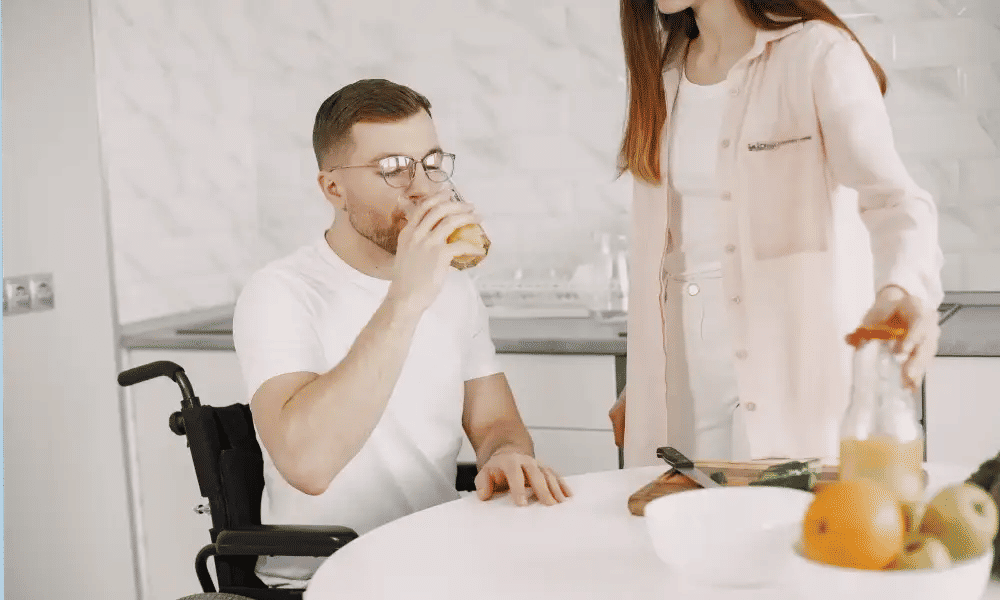
For participants with high physical support needs, day-to-day life often depends on getting the right support in place: not just enough hours, but the right training, equipment and consistency. High physical support SIL Sydney homes are designed specifically for this, and knowing what good support looks like can help families set realistic expectations.
What Is "High Physical Support"?
High physical support generally refers to participants who need significant assistance with mobility, personal care, transfers or daily tasks due to physical disability. This might include support with manual handling, use of mobility equipment, positioning, or assistance with all aspects of personal care, often multiple times throughout the day.
What Day-to-Day Support Should Look Like
Staffing and Manual Handling
Safe manual handling is central to high physical support. This often means two support workers assisting with transfers rather than one, along with the use of hoists, slide sheets or other equipment as needed to protect both the participant and the staff member from injury.
Personal Care and Daily Routines
Support typically covers the full range of personal care tasks: showering, dressing, toileting and grooming, delivered with dignity and at a pace that suits the participant, not a rushed roster built around staffing convenience rather than the person's needs.
Access to Nursing Support
Where physical support needs overlap with clinical needs, such as skin integrity, continence management or complex equipment use, access to nursing oversight should be part of the model, not an extra arranged only when something goes wrong.
Accessible Home Design
The physical home itself matters just as much as the support workers in it. Features like wider doorways, accessible bathrooms, ceiling hoists and adjustable beds can make a significant difference to comfort, safety and independence, and should be considered carefully before a participant moves in.
Staff Training for High Physical Support
Support workers in these homes should have specific training in:
- Safe manual handling and use of mobility equipment
- Personal care delivered with dignity and consent
- Recognising early signs of pressure injuries or other physical complications
- Working alongside allied health professionals, such as physiotherapists and occupational therapists, to follow individual care plans consistently
What This Looks Like Day to Day
A participant with high physical support needs might start their day with two staff assisting a hoist transfer and full personal care, followed by breakfast support and medication administration. Throughout the day, staff reposition the participant regularly to prevent pressure injuries, support them to attend appointments or community activities using appropriate transport, and liaise with their physiotherapist about any changes to positioning or equipment needs.
Choosing the Right SIL Home for High Physical Support
When looking at SIL homes for high physical support needs, it's worth asking directly about staff-to-participant ratios, manual handling training, available equipment, and how the home layout supports accessibility.
The Emotional Side of High Physical Support
It's worth naming something families often feel but don't always say out loud: handing over intimate personal care to support workers can feel confronting at first, even when it's clearly needed. Good providers understand this, and it shows in how staff communicate. Explaining what they're doing before they do it, checking in throughout, and treating personal care as something done with a participant rather than to them all make a genuine difference to how safe and respected someone feels in their own home.
Working With Allied Health Teams
High physical support rarely sits with the SIL provider alone. Physiotherapists often set positioning and stretching routines that staff need to follow consistently. Occupational therapists may prescribe specific equipment or home modifications. Speech pathologists might be involved where swallowing or communication support is also needed. A good SIL provider treats these professionals as part of the team, attending reviews where relevant and following updated recommendations promptly, rather than treating allied health input as optional paperwork.
Your Story Community Supports has extensive experience delivering complex and high-intensity care, including high physical support, across Sydney and NSW. Our current SIL vacancies include homes set up specifically for participants with higher physical support needs.
What to Expect When You Reach Out
Our team will talk through the participant's specific needs, current equipment and any clinical considerations, so we can be upfront about whether a particular home is the right fit before anyone commits.
Discuss Your Support Needs With Our Team
If you're exploring SIL options for someone with high physical support needs, get in touch with Your Story Community Supports to talk through what's available and how our support model works in practice.
Frequently Asked Questions
What equipment is typically provided in a high physical support SIL home?
This varies by participant, but often includes hoists, accessible beds, pressure-relieving mattresses and mobility aids, funded through the participant's NDIS plan or provided as part of the home's fit-out.
How many staff are usually rostered for high physical support?
It depends on the participant's assessed needs, but two staff for transfers and personal care is common where manual handling risk requires it.
Can family members still be involved in day-to-day care?
Yes. Good providers welcome family involvement and work collaboratively rather than replacing the family's role entirely.
How often should positioning and equipment needs be reviewed?
This depends on the participant, but regular review alongside physiotherapy or occupational therapy input helps catch changing needs before they become a problem, such as new pressure risks or equipment that no longer fits properly.