
High-Intensity SIL in Sydney: Who Is It Designed For?
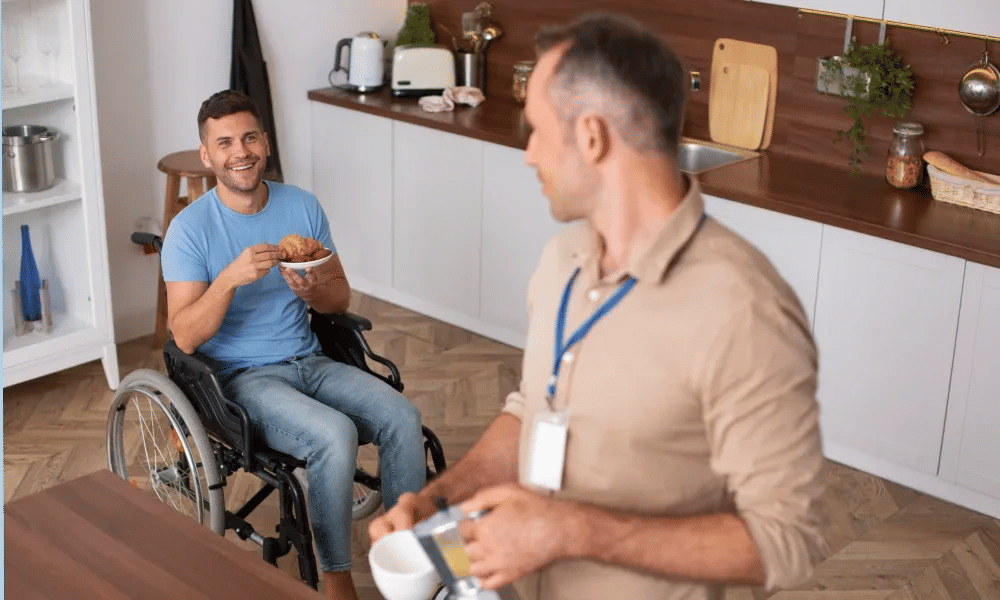
Not every Supported Independent Living arrangement looks the same, and for participants with complex or high support needs, the standard SIL model often isn't enough. This is where high-intensity SIL come in: a more specialised level of support built for people who need more than day-to-day assistance.
If you're trying to work out whether high-intensity SIL is the right fit, it helps to understand exactly what makes it different, who it's designed for, and what to expect from a provider that delivers it properly.
What Makes SIL "High-Intensity"?
High-intensity SIL refers to support arrangements for participants with complex care needs that go beyond standard daily assistance. This can include:
- Complex health conditions requiring clinical monitoring
- Behaviours of concern that need specialist behaviour support
- High physical support needs, including mobility and manual handling
- Psychosocial disability requiring trauma-informed, consistent support
The defining feature isn't just what support is provided, but how it's delivered: by staff with the training, ratios and clinical backup to do it safely, every shift, not just when things are going smoothly.
Who Is High-Intensity SIL Designed For?
High-intensity SIL is generally suited to participants who:
- Require nursing-level support for tasks like tube feeding, tracheostomy care or seizure management
- Need assistance from more than one support worker at a time for personal care or transfers
- Have behaviours of concern that require a documented, practised behaviour support plan
- Are at higher risk if support is inconsistent, delayed or under-qualified
For many families, high-intensity SIL is the difference between a participant living safely in the community and needing hospital-level or residential care instead. It's a significant decision, and the quality of the provider matters as much as the funding itself.
What Day-to-Day Support Looks Like
Staffing Ratios and Training
High-intensity homes are typically staffed with a higher worker-to-participant ratio than standard SIL, and every staff member should be trained specifically for the needs of that home, not generic disability support training alone. This might mean specific training in epilepsy management, non-verbal communication, or a particular piece of equipment a participant relies on.
Clinical and Nursing Support
Where a participant has complex health needs, ongoing nursing oversight is built into the model, not added as an afterthought. This includes regular reviews, clear escalation pathways, and close contact with allied health teams such as physiotherapists, occupational therapists and speech pathologists.
Behaviour Support Implementation
For participants with behaviours of concern, high-intensity SIL should include consistent implementation of a positive behaviour support plan, developed with a specialist behaviour support practitioner and followed by every staff member on shift, not just the ones who know the participant best.
Structured Routines With Flexibility
Predictability matters for many high-support participants, but so does flexibility when something changes. Good high-intensity SIL balances a structured daily routine with the ability to adapt quickly when a participant's needs shift, whether that's a health flare-up or a change in mood and behaviour.
Funding High-Intensity SIL Through Your NDIS Plan
High-intensity SIL is typically funded through Core Supports in a participant's NDIS plan, with the level of funding reflecting the assessed intensity of support required. Getting this right usually starts with detailed reports from treating professionals, such as a GP, specialist or allied health team, clearly outlining the participant's support needs. A provider experienced in high-intensity care can often help families understand what evidence the NDIA typically looks for, though the plan itself remains a decision made with the participant, their family and, where relevant, their support coordinator.
A Practical Example
Take a participant with a complex seizure disorder alongside high physical support needs. Their high-intensity SIL arrangement might involve two staff on shift during the day for safe manual handling, a documented seizure management plan every staff member is trained on, overnight monitoring equipment, and a direct line to on-call nursing support if something changes overnight. This kind of layered support is very different from a standard SIL roster, and it's exactly what high-intensity SIL is designed to provide.
Choosing a High-Intensity SIL Provider in Sydney
Because the stakes are higher, it's worth being thorough when choosing a provider. Ask about their experience with complex and high-intensity care specifically, not just disability support in general, and ask how they train and support their staff for these homes.
Why Location Matters for High-Intensity Support in Sydney
For high-intensity SIL, proximity to hospitals, specialist medical appointments and allied health providers isn't a minor detail. A home located close to major medical services in Sydney can make a real difference during a health crisis, and support workers who know the local area can navigate appointments and emergencies more confidently. This is one reason it's worth asking a provider how familiar their team is with the specific suburb or region a home is located in, not just Sydney broadly.
Your Story Community Supports has over 12 years of experience delivering complex and high-intensity care across Sydney and NSW, with staff trained in nursing support, behaviour support implementation and high physical support needs. Our current SIL vacancies include homes suited to a range of support intensities.
Talk to a Sydney High-Intensity SIL Specialist
If you're supporting someone with complex needs and unsure whether high-intensity SIL is the right next step, contact our team for an obligation-free conversation. We'll talk through the person's specific needs and how our model of care can support them.
Frequently Asked Questions
Is high-intensity SIL more expensive than standard SIL?
Funding is based on assessed support needs rather than a flat rate, so costs reflect the actual level of support required, including staffing ratios and specialist training.
Do I need a new NDIS assessment to access high-intensity SIL?
Generally, yes. Your plan needs to reflect the higher level of support required, which usually involves updated reports from treating professionals.
Can a participant move from standard SIL to high-intensity SIL if their needs change?
Yes, support needs can change over time, and a provider experienced in both levels can help manage that transition smoothly.
What happens if a high-intensity SIL provider can't meet a participant's needs on a given day?
A well-run provider should have a clear contingency plan, including backup staff trained to the same standard, rather than leaving a gap in coverage when someone calls in sick.