
How to Choose an SIL Provider in Sydney for High Support Needs
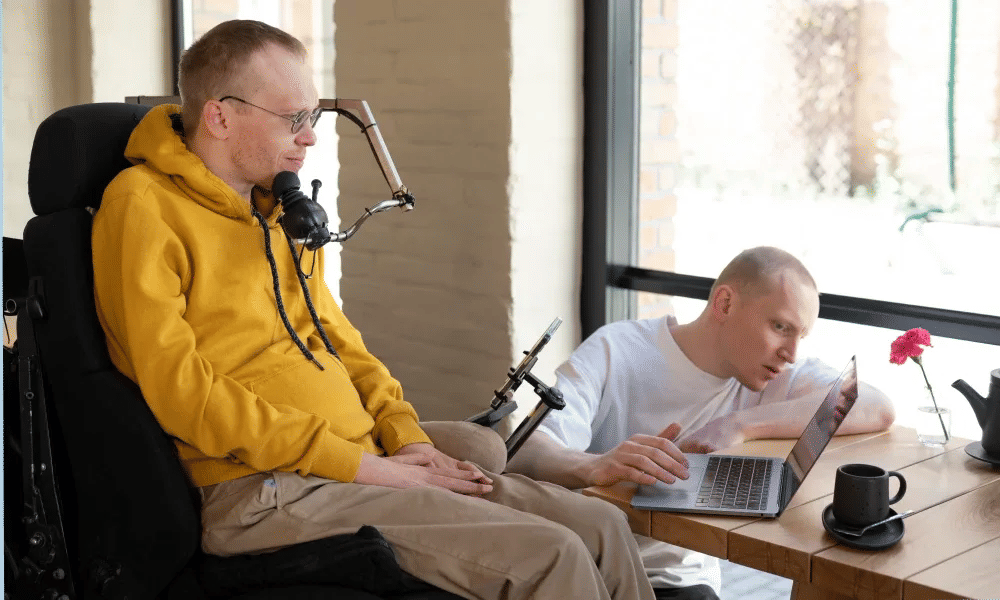
Choosing an SIL provider Sydney families can rely on is one of the most important decisions in a participant's NDIS journey. Get it right, and it can mean consistent, high-quality support that genuinely improves someone's independence and quality of life. Get it wrong, and it can mean inconsistent staffing, poor communication and a home that doesn't actually meet the person's needs.
This guide walks through what to look for, what to ask, and the warning signs worth taking seriously before you sign on with a provider.
Why the Right Provider Matters More for High Support Needs
For participants with higher support needs, the margin for error is smaller. A missed medication, an under-trained support worker, or a poorly implemented behaviour support plan can have real consequences. That's why choosing a provider experienced specifically in high support and complex care matters, not just any NDIS provider with a general disability services listing.
Questions to Ask a Potential SIL Provider
Before committing, it's worth asking:
- How long have you operated in Sydney, and in this specific area? Local knowledge affects everything from transport access to community connections and understanding of the local service system.
- What experience do you have with complex or high-intensity care? Ask for specifics, not general reassurances, including how staff are trained for particular conditions or behaviours.
- What's your staff-to-participant ratio, and how does it change for higher needs?
- How do you manage staff consistency and turnover? Frequent staff changes can be genuinely disruptive for participants who rely on routine and familiar faces.
- How do you communicate with families, support coordinators and allied health teams?
- What does your onboarding and transition process look like?
A provider that answers these clearly and specifically is generally more trustworthy than one that speaks only in general terms about "person-centred care" without backing it up.
Red Flags to Watch For
- Vague answers about staff training or qualifications
- Reluctance to discuss staff-to-participant ratios
- No clear process for behaviour support plan implementation
- Poor or slow communication during the enquiry stage, a sign of what's to come after you sign on
- Pressure to commit quickly without time to ask questions or visit the home
Comparing Providers Side by Side
It's easy for every provider's marketing to sound similar: "person-centred," "experienced," "compassionate." The real differences usually show up in the specifics. When comparing two or three Sydney SIL providers, try asking each one the exact same set of questions and comparing the answers side by side, rather than judging each conversation in isolation. Inconsistent or vague answers to a question that another provider answered clearly and confidently are worth noting.
What a Genuine Support Coordinator Relationship Looks Like
Support coordinators and case managers are often the ones placing participants with SIL providers under time pressure, which makes provider responsiveness especially important. A provider that responds quickly, communicates clearly about vacancies and participant fit, and follows through consistently after placement makes the coordinator's job easier and the participant's transition smoother.
What Sets a Quality SIL Provider Apart
Good providers tend to share a few things in common: they're upfront about what they can and can't offer, they involve families and support coordinators in planning, and they treat each participant's goals as the starting point for their support plan, not an afterthought bolted onto a generic template.
Your Story Community Supports has over 12 years of experience in the disability and community services sector, including complex and high-intensity care. We work closely with participants, families, support coordinators and allied health professionals to build support plans around real goals, not generic templates.
Making the Switch or Starting Fresh
Whether you're choosing an SIL provider for the first time or considering a change from an existing one, it's worth taking your time, asking direct questions, and visiting the home if possible before making a decision. A rushed decision under placement pressure often costs more time later if the fit isn't right.
The Cost of Getting It Wrong
It's worth being honest about what happens when the wrong provider is chosen. Inconsistent staffing can mean a participant never quite settles into a routine. Poorly implemented behaviour support can mean a plan sits in a folder rather than being followed day to day. And weak communication can leave families feeling shut out of decisions about someone they know better than anyone else. None of this is inevitable. It's exactly why the questions above are worth asking upfront, rather than discovering the answers the hard way after moving in.
Ready to Talk Through Your Options?
If you'd like to discuss current SIL vacancies in Sydney or ask any of the questions above directly, get in touch with our team. We're happy to talk it through, no pressure, no obligation.
Frequently Asked Questions
Can I switch SIL providers if I'm unhappy with my current one?
Yes. Participants can change providers, though it's worth planning the transition carefully with your support coordinator to avoid a gap in support.
How quickly can a new SIL placement usually happen?
This varies depending on vacancy availability and the complexity of the participant's needs, but a responsive provider should give you a realistic timeframe early in the conversation.
Should I visit an SIL home before deciding?
Where possible, yes. Seeing the home, meeting some of the team, and getting a feel for the environment is one of the best ways to judge fit.
What role does a support coordinator play in choosing a provider?
A good support coordinator can help shortlist providers, ask technical questions on your behalf, and support the transition, though the final decision should always sit with the participant and their family.